
The Role of Hydraulic Dampers in Automotive Performance: Enhancing Vehicle Dynamics for Optimal Performance
1. Introduction to Hydraulic Dampers
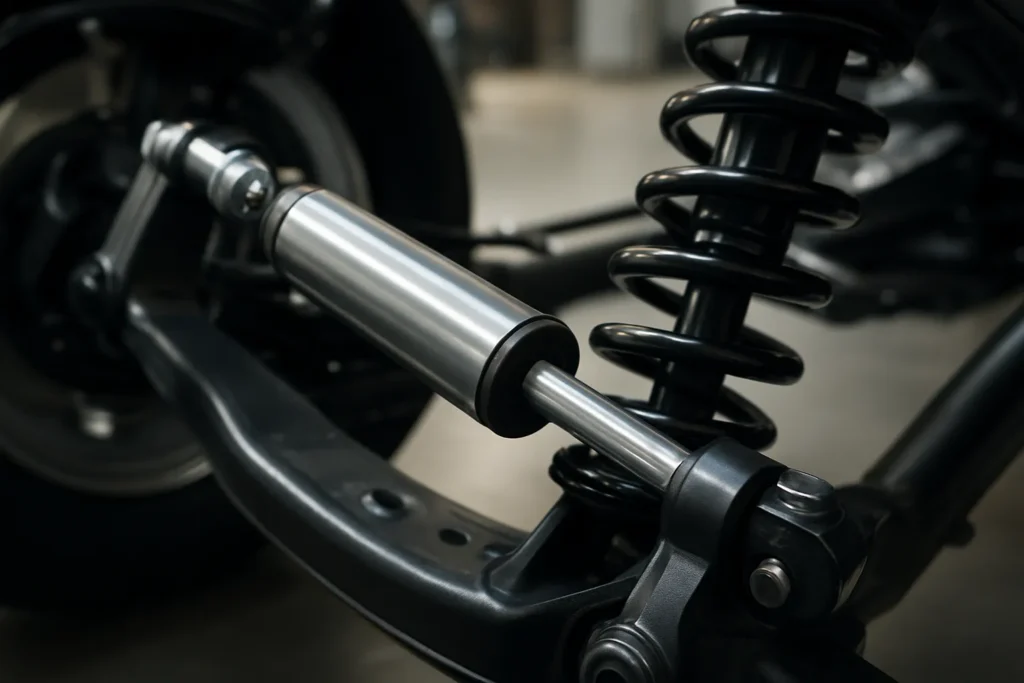
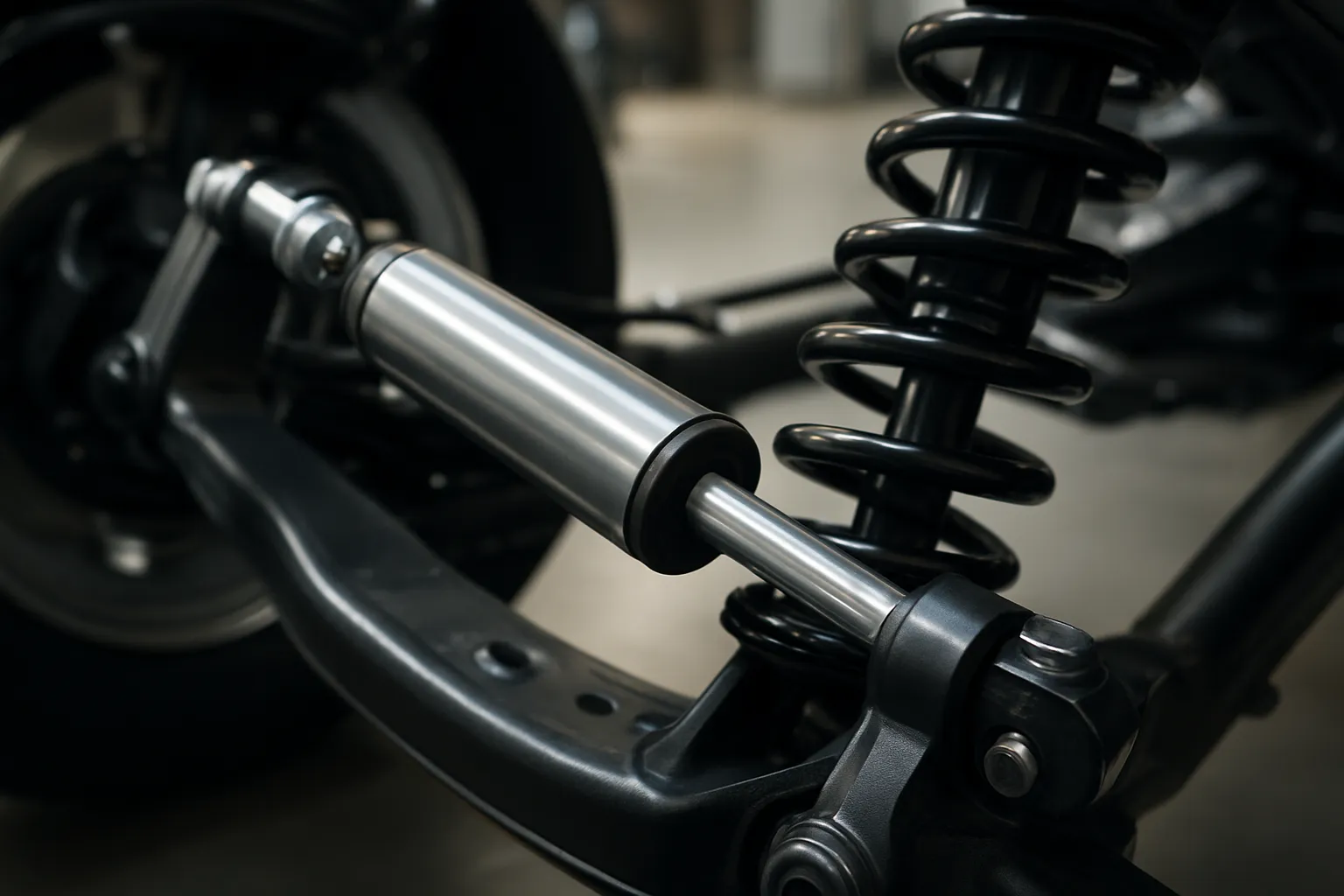
Hydraulic dampers are vital components in the automotive sector, significantly enhancing vehicle performance and safety. These devices absorb and dissipate energy, effectively controlling the motion of various automotive systems. By doing so, they greatly contribute to ride comfort, handling stability, and overall vehicle dynamics. Understanding the function and significance of hydraulic dampers is essential for automotive manufacturers and suppliers looking to optimize vehicle performance. For further information on different types of dampers, visit this page on dampers.
2. Specifications of Hydraulic Dampers
Key Technical Specifications
Hydraulic dampers are defined by several key technical specifications that dictate their performance. These include:
- Damping Force: This is the primary measure of a damper’s effectiveness, usually expressed in Newtons (N). It indicates how well the damper can absorb energy during vehicle motion.
- Stroke Length: Refers to the maximum distance the damper can compress or extend. Longer strokes allow for greater movement absorption, which is particularly crucial for off-road vehicles.
- Mounting Style: Hydraulic dampers can be installed in various configurations, such as eyelet, clevis, or rod end, depending on the application.
- Fluid Type: The choice of hydraulic fluid can significantly influence the damper’s performance and temperature resistance.
Types of Hydraulic Dampers
Several types of hydraulic dampers are employed in automotive applications, including:
- Twin-Tube Dampers: Commonly utilized in passenger vehicles, these dampers feature a design that allows for efficient heat dissipation and provides a smooth ride.
- Mono-Tube Dampers: Typically found in performance and off-road vehicles, these dampers offer improved responsiveness and can withstand higher stress levels.
- Adjustable Dampers: These dampers allow users to modify the damping characteristics according to driving conditions, offering versatility for various applications.
3. Use Cases of Hydraulic Dampers in Automotive Applications
Performance Enhancement in Vehicles
Hydraulic dampers significantly boost vehicle performance by controlling oscillations and vibrations. They stabilize the vehicle’s body during cornering, braking, and acceleration, ensuring that tires maintain optimal contact with the road. This not only improves handling but also enhances safety by reducing the risk of skidding or loss of control.
Applications in Different Vehicle Types
Hydraulic dampers are utilized across various vehicle categories, including:
- Passenger Cars: In sedans and SUVs, hydraulic dampers enhance ride comfort and handling stability.
- Commercial Vehicles: Trucks and buses benefit from hydraulic dampers to manage heavy loads and improve driver comfort during long hauls.
- Off-Road Vehicles: These vehicles require robust dampers to withstand extreme conditions and deliver superior performance on rugged terrain.
4. Comparison with Automotive Gas Springs
Functional Differences
While both hydraulic dampers and automotive gas springs serve to control motion, they function differently. Hydraulic dampers utilize fluid resistance to dampen motion, whereas gas springs rely on compressed gas to provide a lifting force. This fundamental distinction leads to variations in their applications and effectiveness under specific conditions.
Advantages and Disadvantages
- Hydraulic Dampers:
- Advantages: Exceptional energy absorption, adjustable damping characteristics, and superior performance under varying loads.
- Disadvantages: More complex design and potential for fluid leakage.
- Automotive Gas Springs:
- Advantages: Simpler design, lightweight, and less susceptible to leakage.
- Disadvantages: Limited damping capabilities and less effective under heavy loads.
5. Sourcing Hydraulic Dampers
Criteria for Selecting Suppliers
When sourcing hydraulic dampers, it is crucial to choose reliable suppliers. Key criteria include:
- Industry Experience: Suppliers with a proven track record in the automotive sector are more likely to deliver high-quality products.
- Product Range: A supplier that offers a diverse range of dampers can better cater to specific application needs. For additional details on available products, check out our product offerings.
- Technical Support: Access to technical expertise and customer service can greatly assist in selecting and implementing hydraulic dampers.
Evaluating Quality and Reliability
Quality assurance is essential when sourcing hydraulic dampers. Potential buyers should consider:
- Certifications: ISO and other industry-standard certifications can indicate a supplier’s commitment to quality.
- Testing Procedures: Suppliers should conduct rigorous testing to ensure their dampers meet performance specifications.
- Customer Reviews: Feedback from other automotive manufacturers can provide valuable insights into a supplier’s reliability and product performance.
6. Implementation of Hydraulic Dampers
Installation Process
Installing hydraulic dampers requires careful attention to detail to ensure optimal performance. The process typically involves:
- Preparation: Gather necessary tools and ensure the vehicle is safely elevated.
- Removal of Old Dampers: Carefully detach the existing dampers, noting their mounting positions.
- Installation of New Dampers: Position the new hydraulic dampers and secure them according to the manufacturer’s specifications.
- Testing: After installation, a test drive is essential to evaluate performance and ensure proper damping characteristics.
Maintenance Considerations
Regular maintenance of hydraulic dampers is vital for prolonging their lifespan and maintaining performance. Key maintenance practices include:
- Visual Inspections: Regularly check for signs of fluid leakage or damage to the damper body.
- Fluid Checks: Ensure that the hydraulic fluid is at appropriate levels and free from contaminants.
- Replacement Schedule: Follow the manufacturer’s recommendations for replacing dampers based on mileage or usage conditions.
7. Frequently Asked Questions (FAQs)
Common Queries about Hydraulic Dampers
- What is the lifespan of hydraulic dampers?
– The lifespan can vary based on usage, but generally, they should be replaced every 50,000 to 100,000 miles. - Can hydraulic dampers be repaired?
– While some dampers can be rebuilt, it is often more cost-effective to replace them. - How do I know if my hydraulic dampers need replacing?
– Signs include excessive bouncing, leaking fluid, or poor handling performance.
Troubleshooting Tips
- Bouncing Ride: Indicates worn dampers; consider replacement.
- Uneven Tire Wear: This may suggest improper damping; inspect dampers and suspension alignment.
- Fluid Leaks: If fluid is visible around the damper, it may need replacement.
Conclusion
Hydraulic dampers are crucial for enhancing automotive performance, providing stability, comfort, and safety. By understanding their specifications, applications, and maintenance needs, automotive manufacturers and suppliers can make informed decisions that lead to improved vehicle dynamics. As the automotive industry continues to evolve, the importance of high-quality hydraulic dampers will remain a key factor in achieving optimal performance and customer satisfaction.