
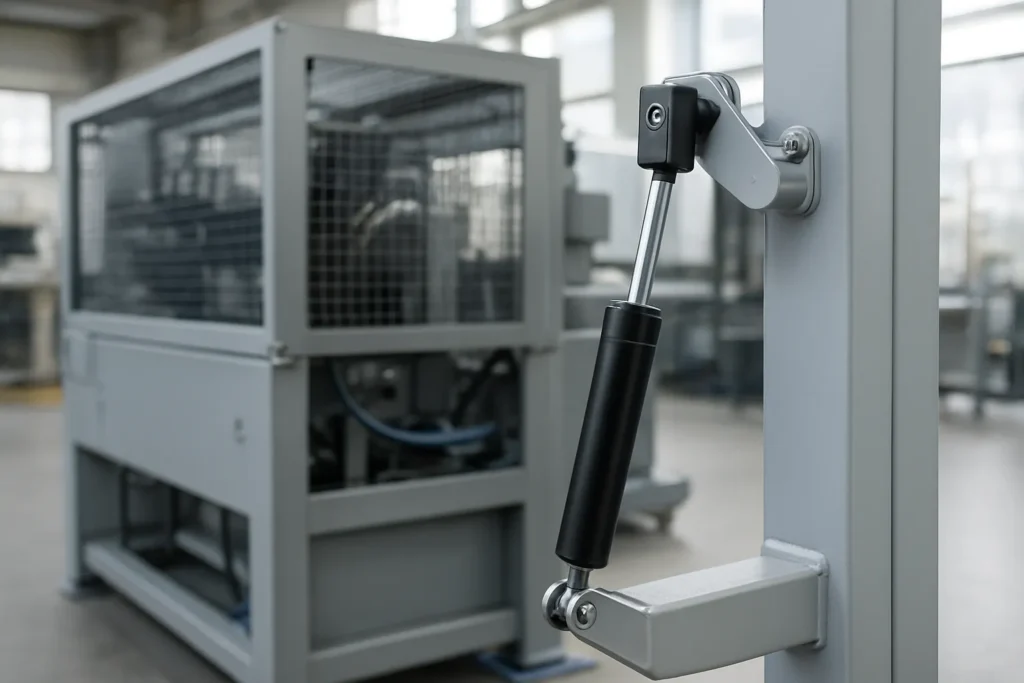
How Lockable Gas Springs Improve Safety in Industrial Equipment
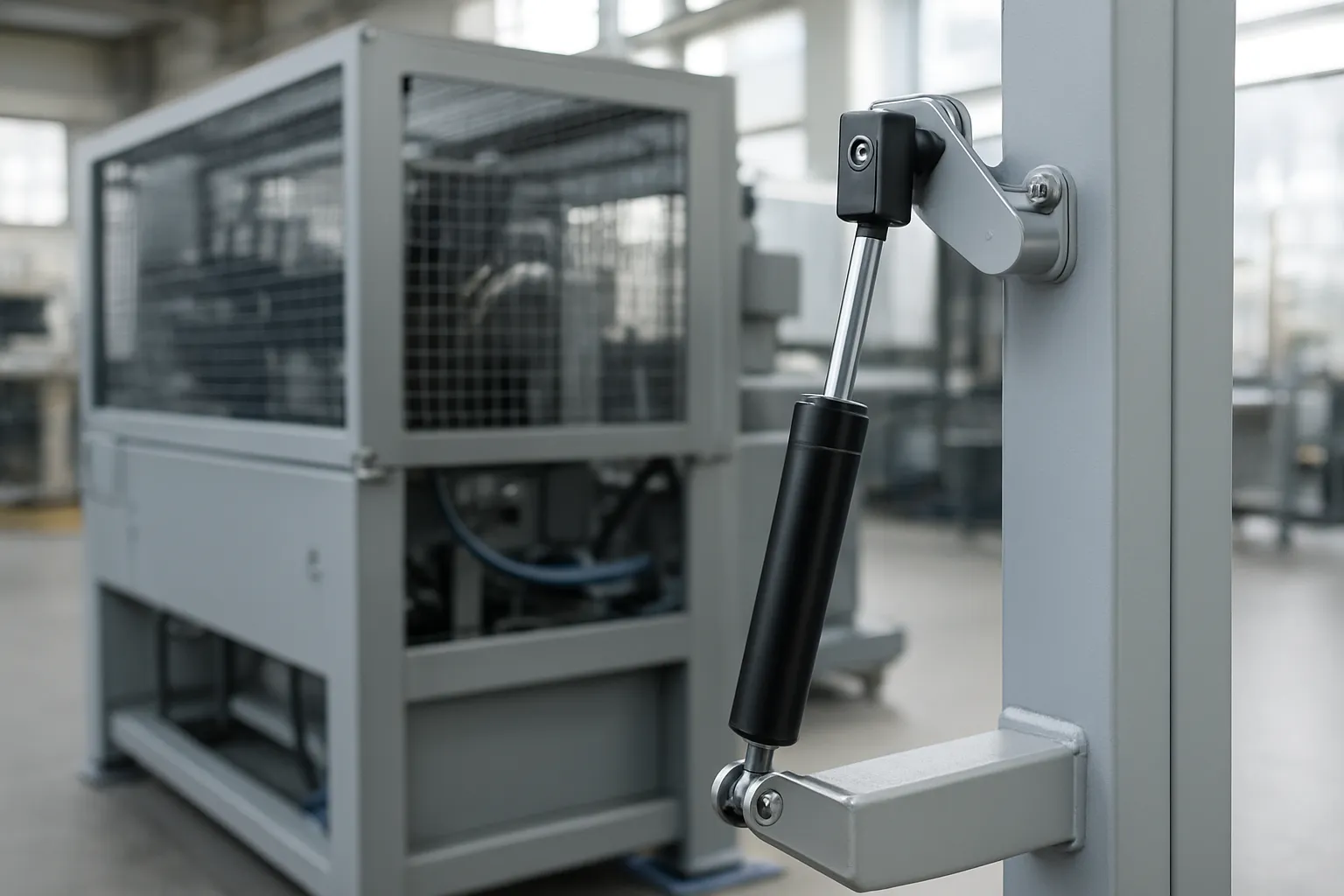
Lockable gas springs are specialized components that provide controlled motion and enhanced safety across various industrial applications. Unlike standard gas springs, which facilitate smooth movement but lack the ability to hold positions securely, lockable gas springs feature a mechanism that allows them to lock in place when necessary. This attribute is crucial in environments where safety is a top priority, as it prevents unintended movement of equipment and machinery, thereby significantly reducing the risk of accidents and injuries.
In my experience, the importance of lockable gas springs in industrial settings cannot be overstated. They play a vital role in ensuring that machinery operates both safely and efficiently, particularly in applications involving heavy loads or complex movements. By providing a reliable locking mechanism, these gas springs enhance operational safety, making them indispensable in modern industrial equipment.
Specifications of Lockable Gas Springs
Key Features and Benefits
Lockable gas springs come equipped with a variety of features that make them especially beneficial for industrial applications. Their primary advantage is the capability to lock at any desired position, allowing users to maintain control over the movement of equipment. This feature is particularly useful in scenarios that demand precision, such as assembly lines or when adjusting workstations.
- Ease of Use: Lockable gas springs can be easily activated and deactivated, allowing for quick adjustments.
- Durability: Designed to endure harsh industrial environments, they are typically resistant to corrosion and wear.
- Versatility: These springs can be used in a wide range of applications, from heavy machinery to office furniture.
Material and Design Considerations
The materials used in lockable gas springs are crucial to their performance and longevity. Most are constructed from high-strength steel or aluminum, which provides the necessary strength while keeping the weight manageable. Additionally, the design often incorporates seals and coatings that protect against dust, dirt, and moisture, ensuring reliable operation in demanding conditions.
Load Capacity and Performance Metrics
Lockable gas springs are available in various load capacities, making it essential for businesses to choose the right specifications for their specific needs. Performance metrics such as stroke length, force rating, and locking mechanism reliability are critical factors to consider when selecting a gas spring. Understanding these metrics helps ensure that the chosen lockable gas spring meets the operational demands of the equipment it will support.
Use Cases in Industrial Settings
Applications in Heavy Machinery
In heavy machinery, lockable gas springs are often utilized to control access panels, hatches, and other moving parts. For instance, in construction equipment, these springs can secure the position of a loader’s bucket or an excavator’s arm, preventing accidental movement during maintenance or loading operations.
Safety Enhancements in Workstations
Lockable gas springs are also widely employed in workstations, particularly in height-adjustable desks and ergonomic seating solutions. By allowing users to lock the desk at a comfortable height, these springs help promote better posture and reduce the risk of strain injuries.
Role in Automated Systems
In automated systems, lockable gas springs enhance safety by ensuring that components remain in fixed positions during operation. For example, in robotic assembly lines, these springs can lock parts in place while other components are being assembled, thereby reducing the likelihood of misalignment or accidents.
Comparison with Standard Gas Springs
Lockable vs. Non-Lockable Gas Springs
The primary distinction between lockable and non-lockable gas springs lies in their ability to hold a position securely. While non-lockable springs provide smooth movement, they do not offer the same level of safety and control. In environments where safety is critical, the advantages of lockable gas springs become evident.
Performance Differences
Lockable gas springs generally provide superior performance in applications requiring stability and safety. They can withstand greater forces without the risk of unintended movement, making them ideal for heavy-duty applications. In contrast, standard gas springs may be more appropriate for lighter applications where movement is required without the necessity for locking.
Cost-Benefit Analysis
While lockable gas springs might come with a higher initial cost compared to standard gas springs, the long-term benefits often justify the investment. The enhanced safety, reduced risk of accidents, and improved operational efficiency can lead to significant cost savings over time, making them a prudent choice for many industrial applications.
Sourcing Lockable Gas Springs
Identifying Reliable Suppliers
When sourcing lockable gas springs, it is crucial to identify dependable suppliers who specialize in industrial components. Look for manufacturers with a proven track record and positive customer reviews. Certifications and quality assurance processes are also important indicators of a supplier’s reliability.
Evaluating Product Quality
Assessing the quality of lockable gas springs involves examining their construction, materials, and performance metrics. Requesting samples or detailed specifications can help ensure that the springs meet the required standards for your specific application.
Understanding Pricing Structures
Pricing for lockable gas springs can vary based on factors such as load capacity, brand, and supplier. It is essential to understand the pricing structure and consider not only the upfront costs but also the potential long-term savings associated with improved safety and efficiency.
Implementation Best Practices
Installation Guidelines
Proper installation of lockable gas springs is critical to their performance and safety. Follow the manufacturer’s guidelines closely, ensuring that the springs are mounted correctly and securely. This includes verifying that the locking mechanism is functioning properly before the equipment is put into operation.
Maintenance Tips
Regular maintenance is essential for the longevity of lockable gas springs. This includes checking for signs of wear, ensuring that the locking mechanism operates smoothly, and lubricating moving parts as necessary. Establishing a maintenance schedule can help prevent issues before they arise.
Safety Compliance Standards
Adhering to safety compliance standards is vital when implementing lockable gas springs in industrial settings. Familiarize yourself with relevant regulations to ensure that all equipment meets these standards, thereby minimizing risk and enhancing workplace safety.
Frequently Asked Questions
Common Concerns About Lockable Gas Springs
Many users may have concerns regarding the reliability and safety of lockable gas springs. It is important to address these concerns by providing clear information about the testing and quality assurance processes that these components undergo.
Troubleshooting Issues
In the event of issues with lockable gas springs, having a troubleshooting guide available is crucial. Common problems may include difficulty in locking or unlocking, which can often be resolved by checking the installation and ensuring proper maintenance.
Warranty and Support Information
Understanding the warranty and support options available for lockable gas springs can provide peace of mind. Most reputable manufacturers offer warranties that cover defects in materials and workmanship, along with customer support to assist with any inquiries or issues.
Conclusion
Lockable gas springs are essential components in enhancing safety and efficiency in industrial equipment. Their ability to provide controlled motion and secure locking mechanisms makes them invaluable in a variety of applications, from heavy machinery to workstations and automated systems. By understanding their specifications, use cases, and sourcing options, businesses can make informed decisions that prioritize safety and operational effectiveness. As industries continue to evolve, the role of lockable gas springs will undoubtedly remain critical in fostering safer work environments.