
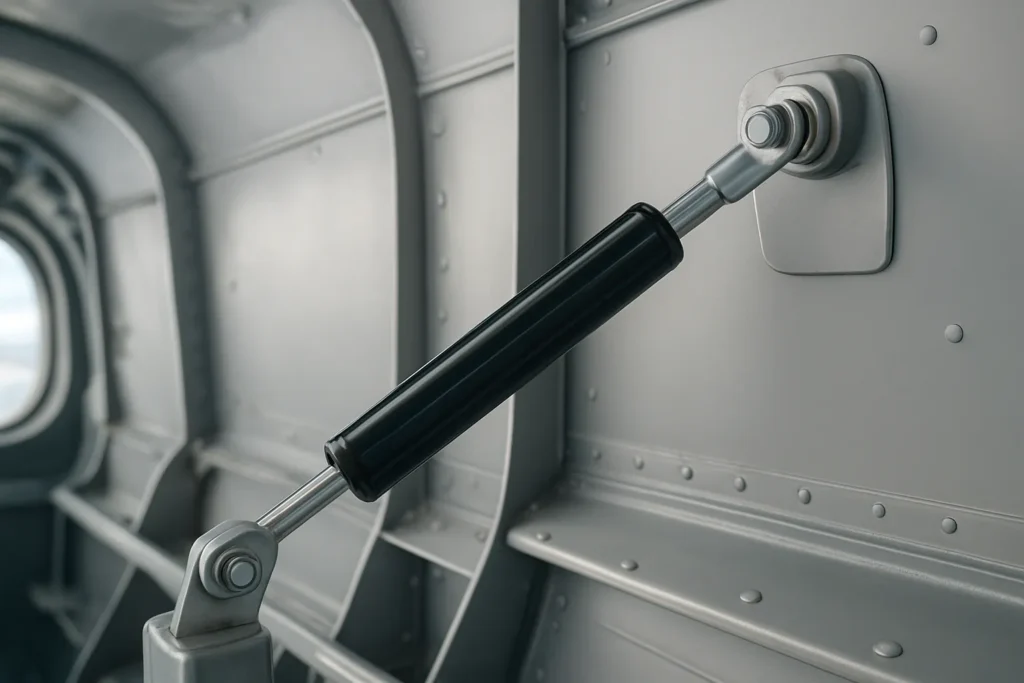
Understanding the Benefits of Tension Gas Springs in Aerospace Applications
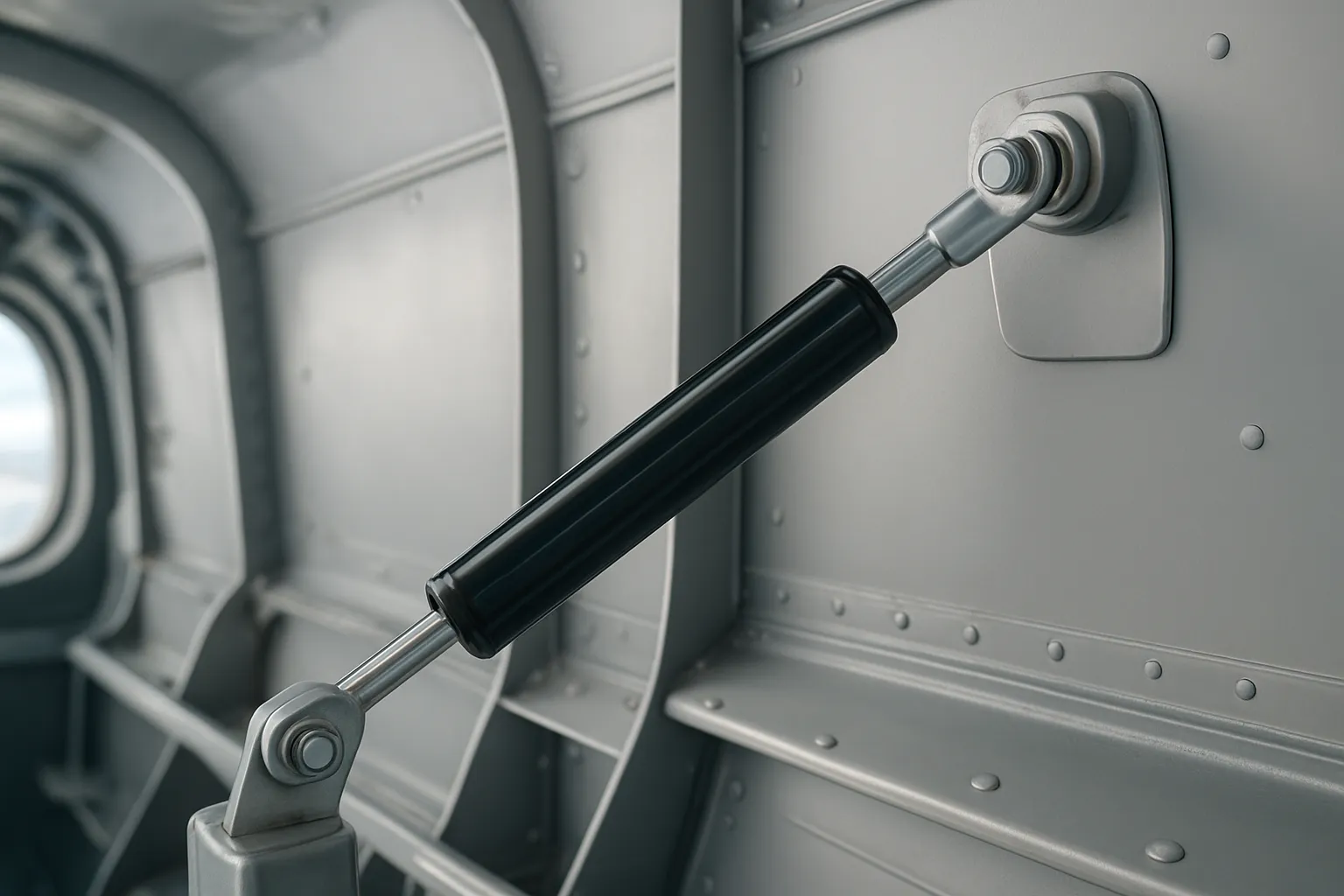
1. Introduction to Tension Gas Springs
Tension gas springs are innovative mechanical devices that utilize compressed gas to create a pulling force, making them essential components in various applications, particularly in aerospace. Unlike traditional mechanical springs, these gas springs offer a controlled and adjustable force, which is crucial for ensuring safety and efficiency in aerospace systems.
In my experience, tension gas springs are specifically designed to withstand the unique challenges of the aerospace environment, including extreme temperatures, pressures, and vibrations. Their ability to enhance the performance and reliability of aircraft systems makes them indispensable in modern aerospace engineering.
2. Key Specifications of Tension Gas Springs
When considering the integration of tension gas springs in aerospace applications, several key specifications must be evaluated to ensure optimal performance.
Load Capacity and Range
Tension gas springs come with varying load capacities, typically ranging from a few pounds to several hundred pounds. In aerospace applications, selecting the appropriate load capacity is critical, as it directly impacts the functionality and safety of the aircraft. Manufacturers often provide detailed load charts to assist engineers in selecting the correct spring for specific applications.
Stroke Length and Dimensions
The stroke length of a tension gas spring refers to the distance over which it can extend or retract. This measurement is vital for applications with limited space or specific operational requirements. Aerospace engineers must carefully consider the stroke length and overall dimensions to ensure proper fit and function within the aircraft design.
Material and Durability Considerations
Durability is paramount in aerospace applications due to the harsh operating conditions. Tension gas springs are typically made from high-strength materials such as stainless steel or specialized alloys that can withstand corrosion and fatigue. The choice of material affects not only the longevity of the spring but also its performance under extreme conditions.
3. Applications of Tension Gas Springs in Aerospace
Tension gas springs find numerous applications in the aerospace sector, contributing to various critical systems.
Use in Aircraft Design
In aircraft design, tension gas springs are often used in movable components such as doors, hatches, and access panels. Their ability to provide a controlled pulling force ensures that these components operate smoothly and safely, enhancing the overall user experience.
Role in Landing Gear Systems
Landing gear systems are another critical area where tension gas springs are utilized. They assist in the deployment and retraction of landing gear, providing the necessary force to ensure reliable operation. The precision and reliability of tension gas springs in this application are essential for maintaining aircraft safety during takeoff and landing.
Integration in Cabin Interiors
Tension gas springs are also integrated into cabin interiors, where they support features such as adjustable seats, overhead compartments, and galley equipment. Their ability to provide smooth and controlled movement enhances passenger comfort and operational efficiency.
4. Benefits of Using Tension Gas Springs
The advantages of incorporating tension gas springs into aerospace applications are significant and multifaceted.
Enhanced Safety Features
One of the primary benefits of tension gas springs is their contribution to enhanced safety. By providing a controlled force, they help prevent sudden movements that could lead to accidents or injuries. This reliability is especially crucial in high-stakes environments like aerospace.
Weight Reduction Advantages
Tension gas springs are often lighter than traditional mechanical alternatives, contributing to overall weight reduction in aircraft design. This weight savings can lead to improved fuel efficiency and increased payload capacity, both of which are critical factors in aerospace performance.
Improved Operational Efficiency
The use of tension gas springs can significantly improve operational efficiency. Their ability to provide consistent force eliminates the need for manual assistance in various applications, streamlining operations and reducing the potential for human error.
5. Comparing Tension Gas Springs with Other Mechanisms
Understanding how tension gas springs compare to other mechanisms is crucial for making informed decisions in aerospace applications.
Tension Gas Springs vs. Compression Springs
While tension gas springs exert a pulling force, compression springs provide a pushing force. This fundamental difference means that tension gas springs are often more suitable for applications where controlled retraction is necessary, such as in landing gear systems.
Tension Gas Springs vs. Mechanical Springs
Mechanical springs can be less reliable than tension gas springs, particularly in environments with variable loads or extreme conditions. Tension gas springs offer adjustable force settings, making them more versatile for aerospace applications.
Performance Metrics Comparison
When comparing performance metrics, tension gas springs generally outperform traditional spring mechanisms in terms of reliability, adjustability, and ease of integration. Their ability to maintain consistent performance under varying conditions makes them a preferred choice in aerospace engineering.
6. Sourcing Tension Gas Springs for Aerospace
When sourcing tension gas springs for aerospace applications, several factors should be considered to ensure quality and reliability.
Key Manufacturers and Suppliers
Identifying reputable manufacturers and suppliers is crucial. Leading companies in the aerospace gas springs market often have extensive experience and a proven track record in producing high-quality components that meet stringent industry standards. For more information on sourcing, visit our product page.
Quality Assurance Standards
Quality assurance is vital in aerospace applications. Manufacturers should adhere to recognized standards such as AS9100, which outlines quality management systems for aerospace production. This adherence ensures that the tension gas springs meet the necessary safety and performance criteria.
Cost Considerations and Budgeting
While cost is always a factor in sourcing components, it is essential to balance budget constraints with the need for quality and reliability. Investing in high-quality tension gas springs can lead to long-term savings by reducing maintenance costs and enhancing operational efficiency.
7. Implementation Best Practices
To maximize the benefits of tension gas springs in aerospace applications, following best practices during implementation is essential.
Installation Guidelines
Proper installation is critical for the effective operation of tension gas springs. Following the manufacturer’s guidelines and ensuring that all components are correctly aligned will help prevent premature failure and ensure optimal performance.
Maintenance and Inspection Protocols
Regular maintenance and inspection of tension gas springs are essential to ensure their longevity and reliability. Scheduled checks can identify potential issues before they lead to failures, thereby enhancing safety and performance.
Troubleshooting Common Issues
Understanding common issues that may arise with tension gas springs, such as gas leakage or loss of force, is crucial for effective troubleshooting. Having a clear protocol for addressing these issues can minimize downtime and maintain operational efficiency.
8. Frequently Asked Questions
What are the common applications of tension gas springs?
Tension gas springs are commonly used in aircraft design, landing gear systems, and cabin interiors, providing controlled force and enhancing safety and operational efficiency.
How do tension gas springs enhance safety in aerospace?
By providing a controlled pulling force, tension gas springs help prevent sudden movements and ensure the reliable operation of critical components, thereby enhancing overall safety.
What factors should be considered when selecting a tension gas spring?
Key factors include load capacity, stroke length, material durability, and the specific application requirements to ensure optimal performance and safety.
Conclusion
In conclusion, tension gas springs are vital components in aerospace applications, offering numerous benefits such as enhanced safety, weight reduction, and improved operational efficiency. By understanding their specifications, applications, and advantages, aerospace engineers can make informed decisions that contribute to the overall performance and reliability of aircraft systems. As the aerospace industry continues to evolve, the role of tension gas springs will undoubtedly grow, making them an essential focus for manufacturers and engineers alike.